Galungan in Bali - When the Island Honors Its Ancestors
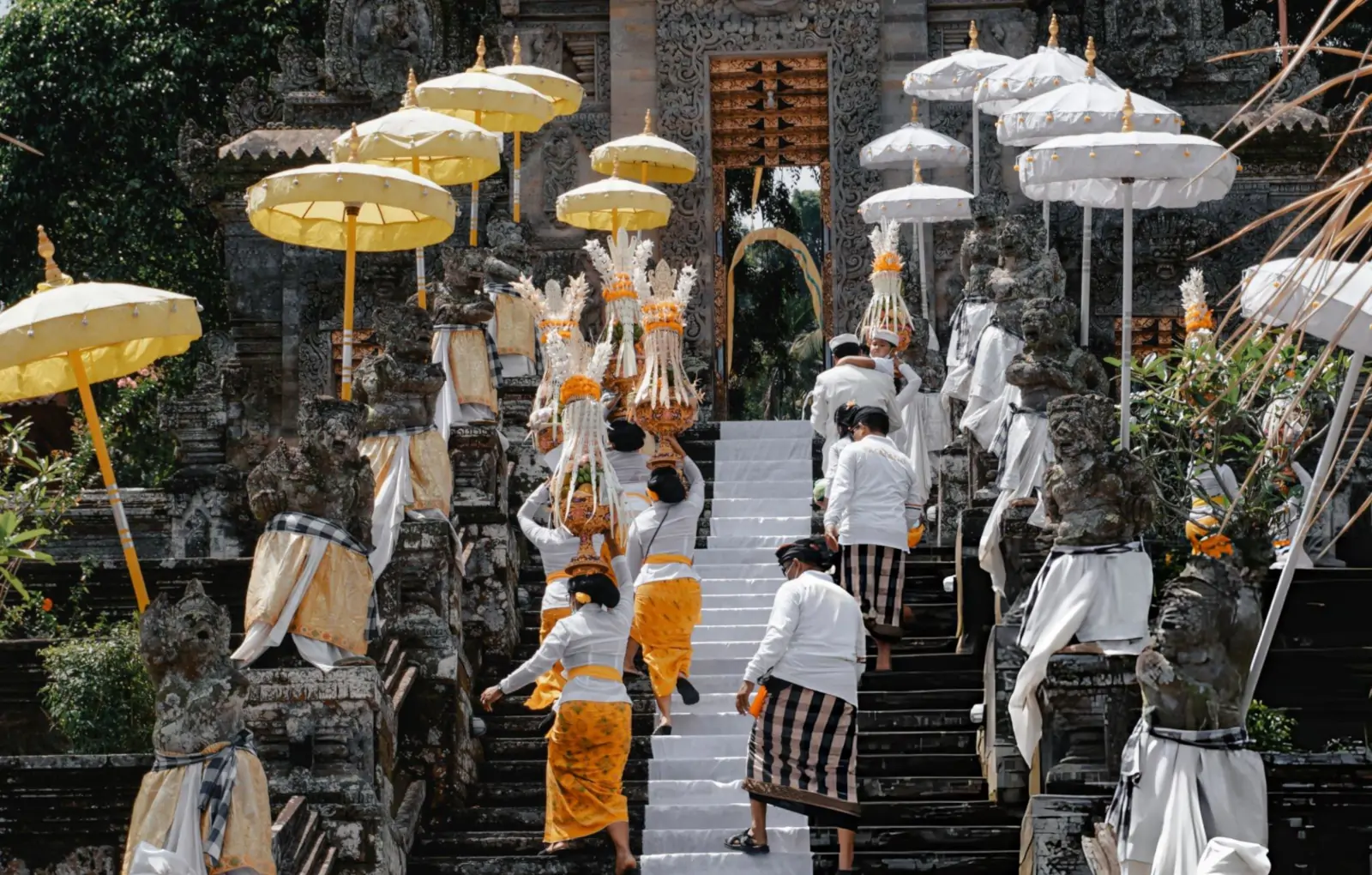
Twice every year, Bali transforms.
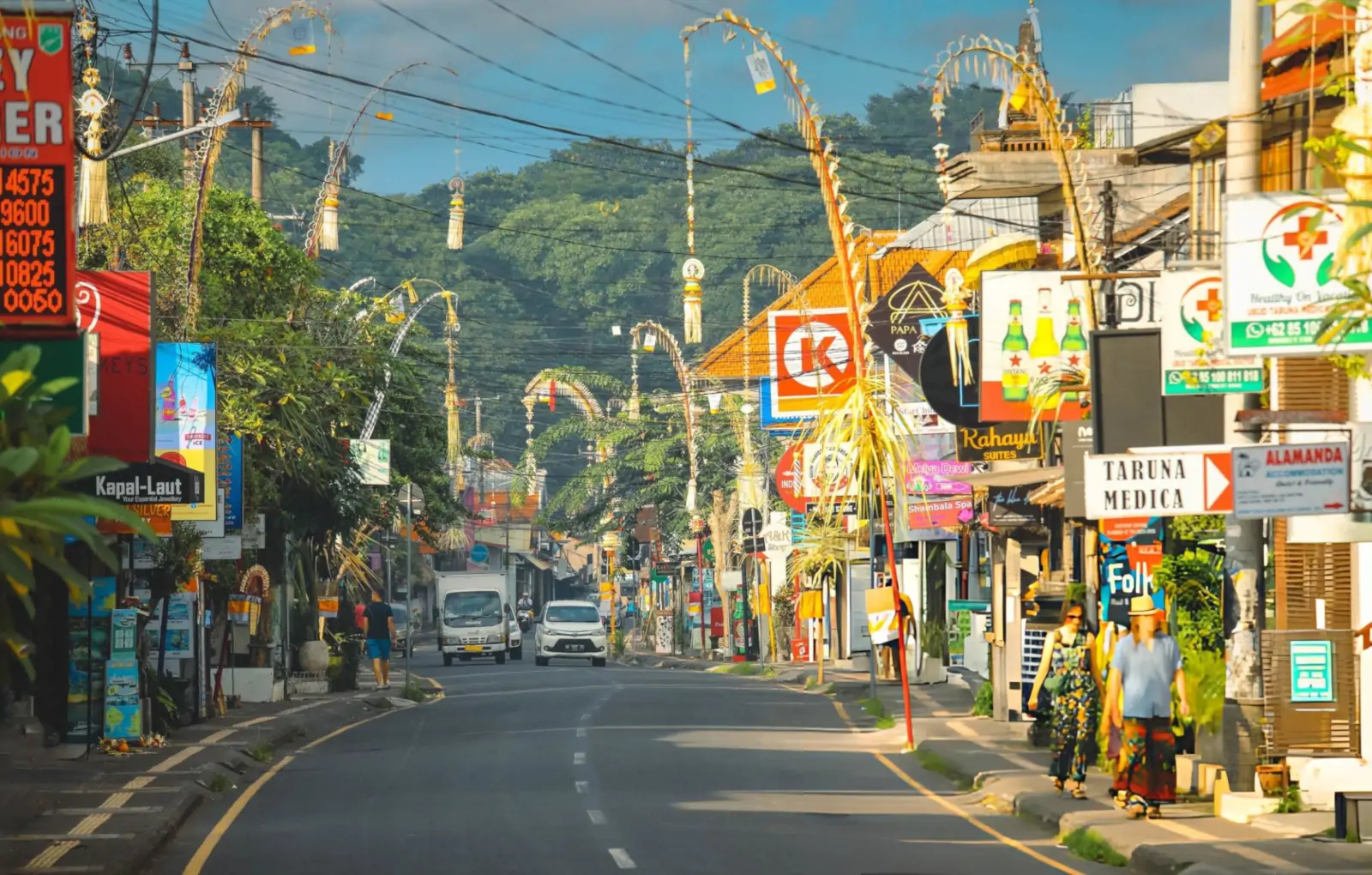
Tall, curved bamboo poles known as penjor line village streets, arching gracefully over roads and entrances. Offerings of fruit, coconut leaves, and woven palm decorations sway gently in the breeze.
Temples fill with prayer. Families dress in ceremonial white and gold. The scent of incense lingers in the air.
This is Galungan - one of the most important Balinese Hindu celebrations.
For travelers fortunate enough to be in Bali during Galungan, it is not a staged performance. It is living tradition.
What Is Galungan in Bali?
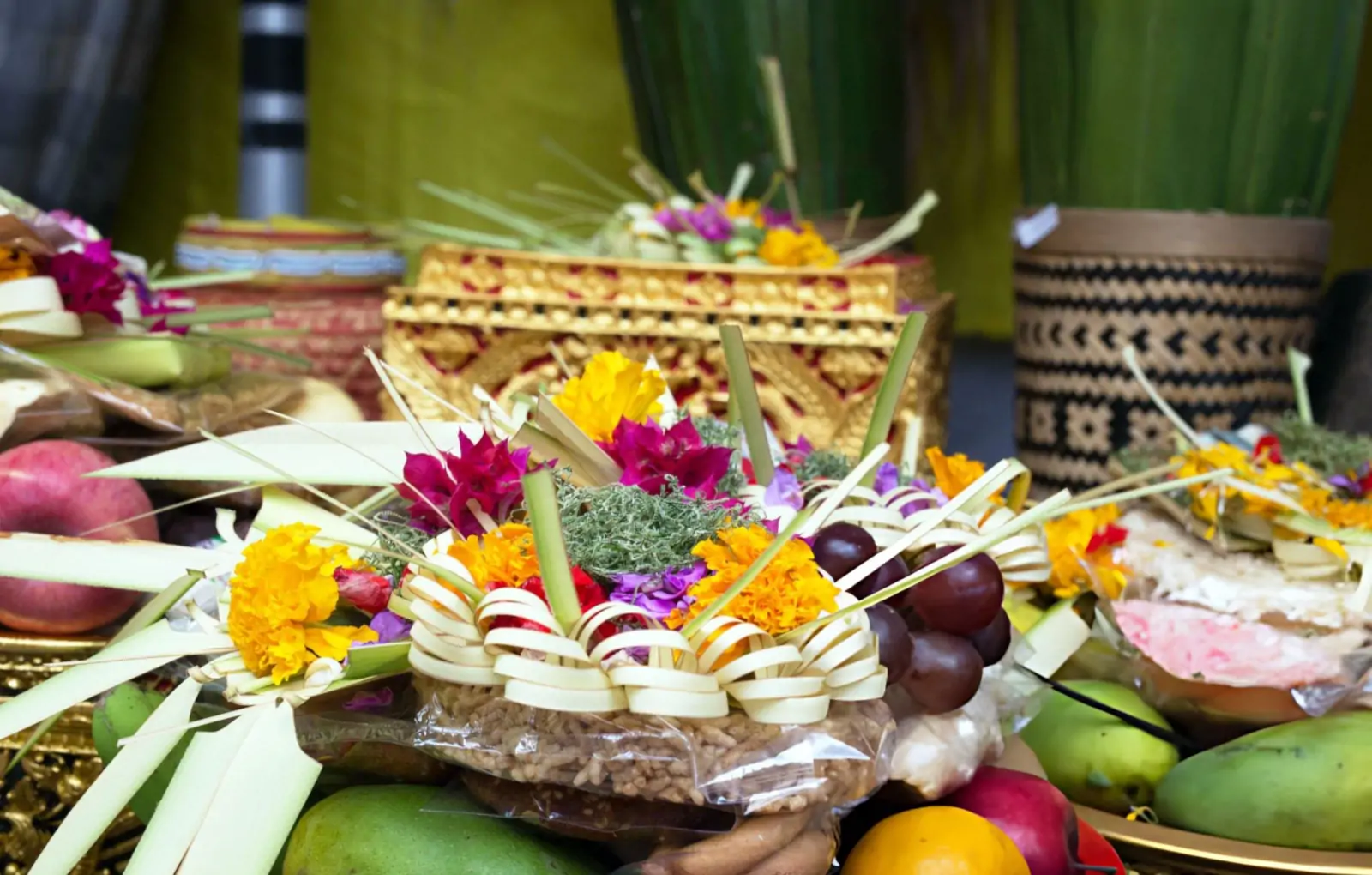
Galungan celebrates the victory of dharma (good) over adharma (evil). It marks the time when ancestral spirits return to visit their families on earth.
The celebration lasts for ten days, culminating in Kuningan, when the spirits return to the heavens.
During Galungan:
- Families gather in temples
- Elaborate offerings are prepared
- Villages become beautifully decorated
- Daily life slows to honor ceremony
Unlike large public festivals, Galungan is deeply personal and community-centered. To witness it is to observe Bali at its spiritual core.
When Is Galungan in Bali?
Galungan follows the 210-day Pawukon calendar and occurs twice each year. Dates shift accordingly, so visitors planning a March trip should confirm whether Galungan aligns with their stay.
Because the festival follows the Balinese calendar rather than the Gregorian one, experiencing it often feels unexpected - and rare.
What Makes Galungan So Special for Visitors?
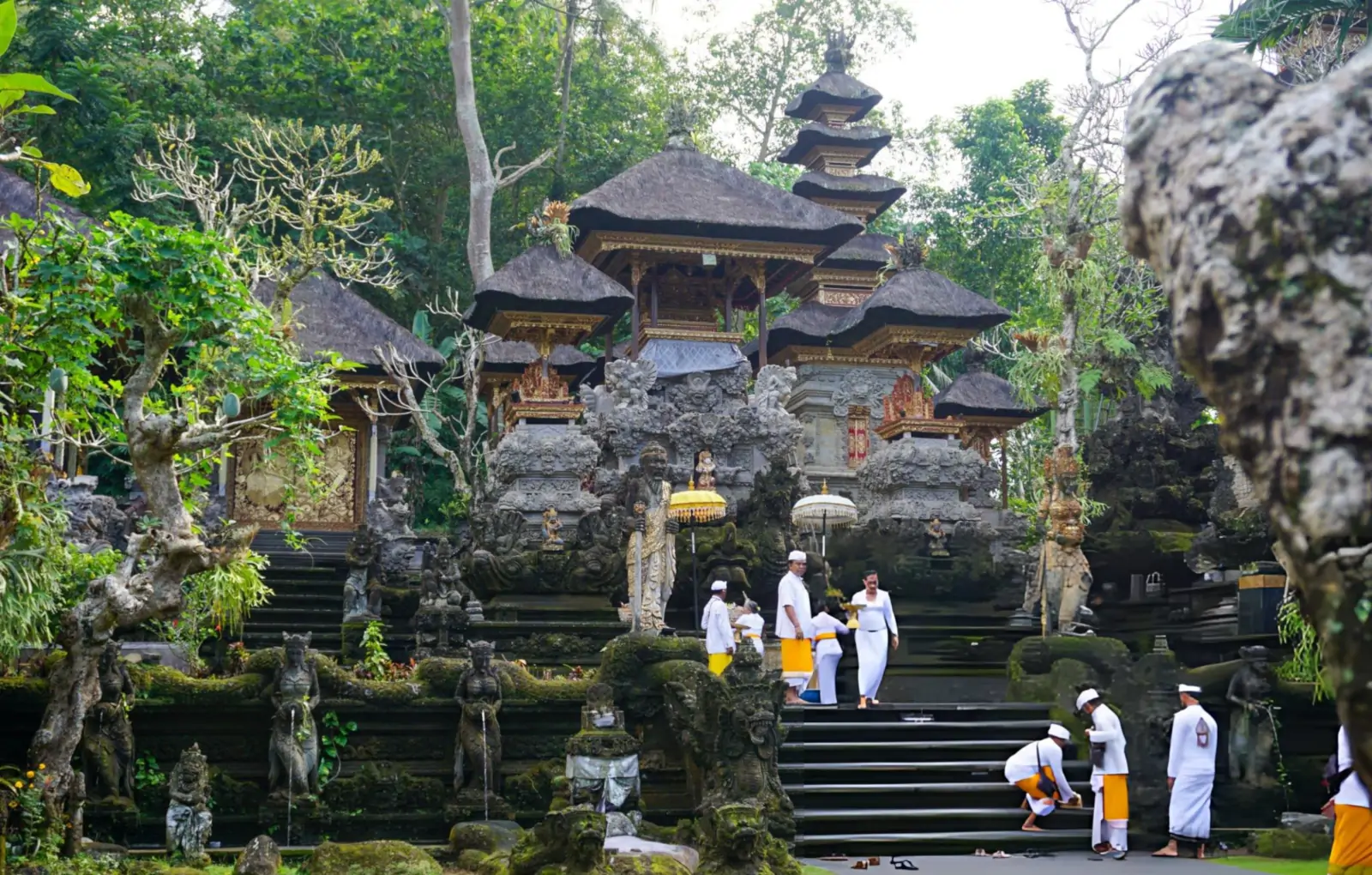
Many travelers come to Bali seeking beaches or nightlife.
Galungan reveals something deeper.
Village streets feel transformed. Morning temple visits become serene and rhythmic. Offerings are carried with care and intention.
In areas such as Ubud - Bali’s cultural heart - the atmosphere becomes especially meaningful. Rather than spectacle, Galungan offers quiet beauty.
And the experience depends greatly on where you are staying.
Experiencing Galungan from Ubud’s Jungle

In Ubud, the spiritual atmosphere of Galungan feels amplified.
Staying at Hanging Gardens of Bali places guests within reach of local temple ceremonies and village traditions - while still offering privacy and retreat within the rainforest valley.
Guests may choose to:
- Visit nearby village temples respectfully
- Observe penjor-lined streets in the morning
- Return to the quiet of a private pool villa
- Dine overlooking the jungle as evening incense drifts below
You witness culture - then retreat into stillness.
Is Galungan a Good Time to Visit Bali?
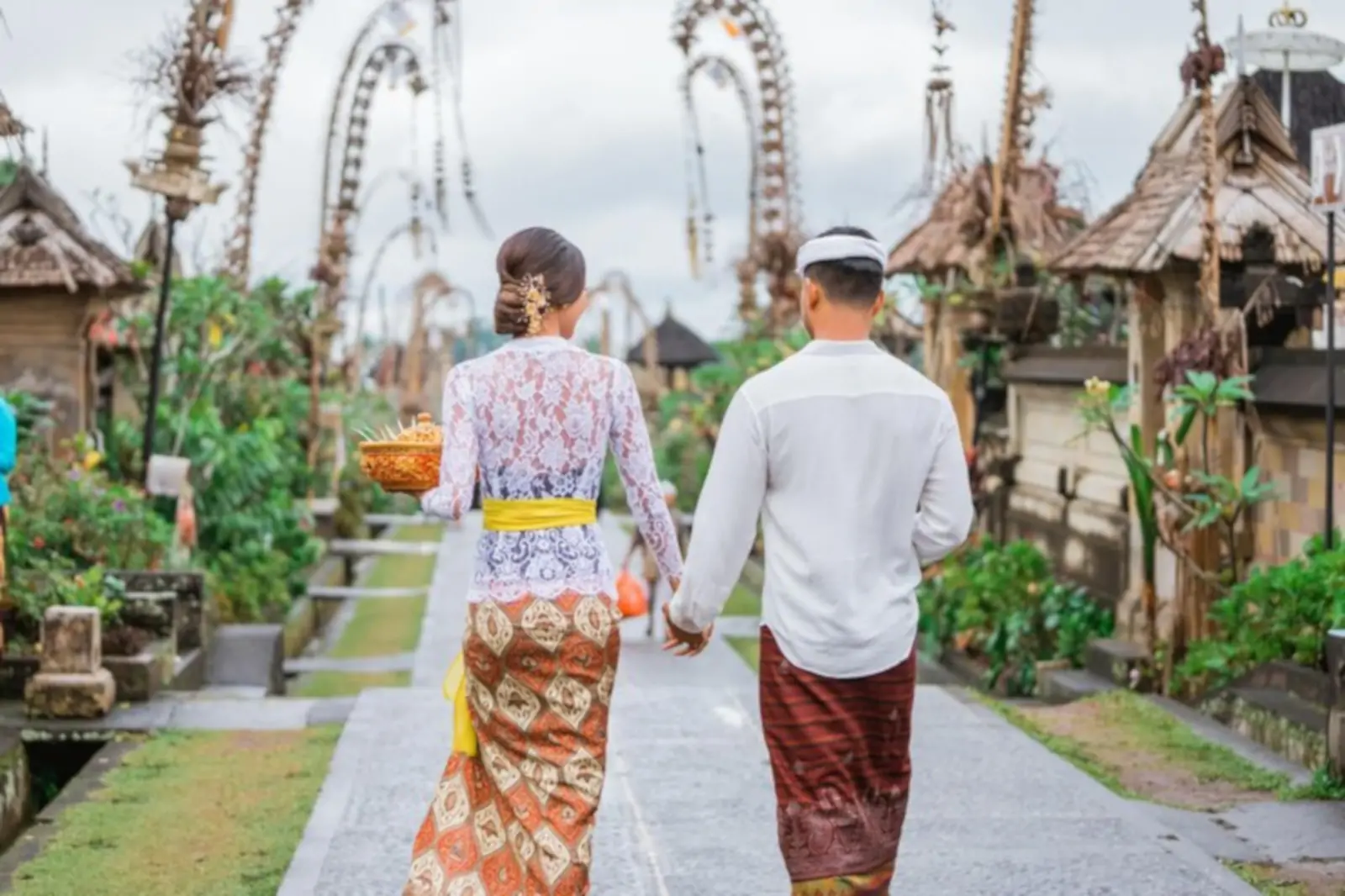
Yes - especially for travelers interested in authentic Balinese culture.
During Galungan:
- The island feels more connected to tradition
- Temple ceremonies are more frequent
- Decorations add beauty to every village
- The pace of life becomes more ceremonial
While some local businesses may adjust hours, luxury resorts operate normally - allowing guests to explore respectfully while enjoying full comfort.
At Hanging Gardens of Bali, the surrounding jungle offers a peaceful counterpoint to the vibrant village energy.
Where Is the Best Place to Stay During Galungan?
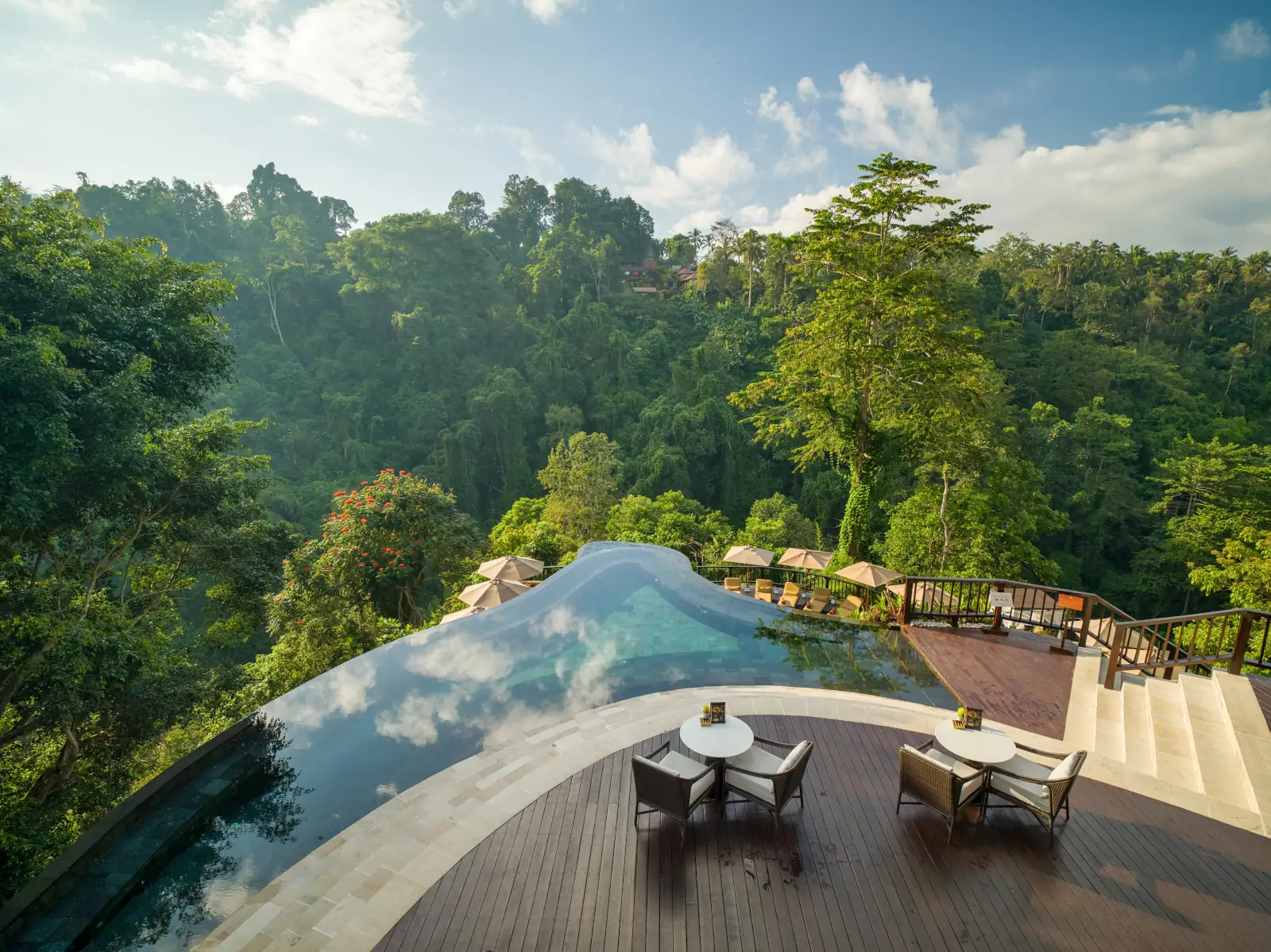
Because Galungan is rooted in community and temple life, staying near Ubud provides access to some of the most meaningful celebrations.
A jungle setting allows you to experience:
- Morning temple visits
- Afternoon rain moving across the valley
- Evening dinners overlooking misty treetops
Rather than remaining in dense beach districts, Ubud offers a more authentic connection to ceremony.
And from an elevated villa surrounded by rainforest, the atmosphere feels immersive rather than observational.
A Cultural Moment, Not a Performance
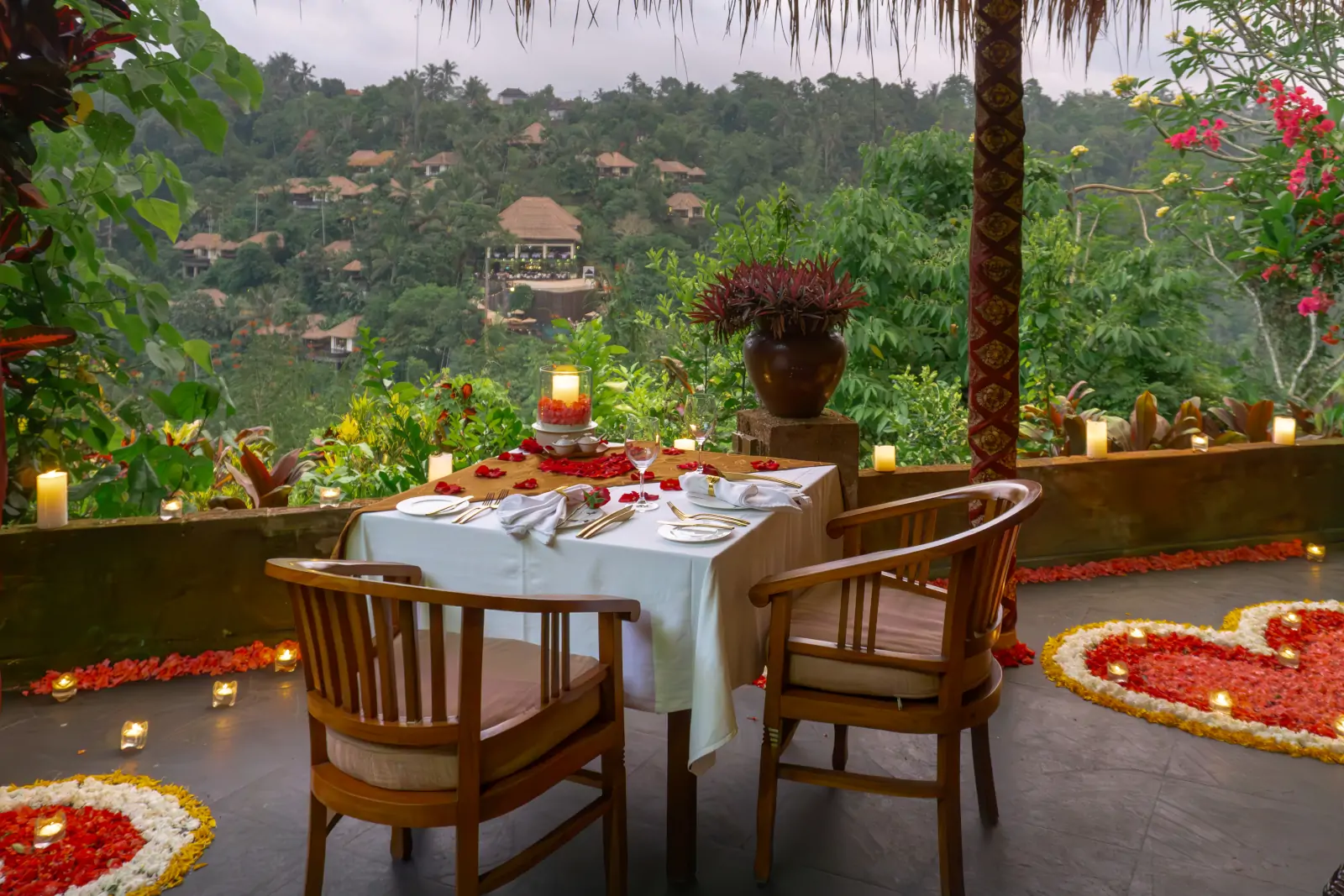
Galungan is not organized for visitors. It is a sacred time for Balinese families.
To witness it is a privilege - one best experienced with respect, space, and understanding.
From a private villa at Hanging Gardens of Bali, you can observe the island’s spiritual rhythm without intrusion.
The penjor sway below. Temple bells echo faintly. Incense drifts through the warm air.
Galungan offers something rare - an opportunity to see Bali as it truly is.
And for those who time their stay thoughtfully, it becomes an unforgettable layer to a jungle escape.
To book, click here.
F.A.Q.
- Q. What is Galungan in Bali?
- A. Galungan is one of the most important Balinese Hindu festivals. It celebrates the victory of dharma (good) over adharma (evil) and marks the time when ancestral spirits are believed to return to visit their families. Villages decorate with penjor bamboo poles, temples fill with prayer, and families gather with offerings.
- Q. When is Galungan in Bali?
- A. Galungan follows the 210-day Pawukon calendar, so the dates change annually (and often occur twice in a Gregorian year). In 2026, Galungan falls on 17 June, and Kuningan (the closing day) falls on 27 June. :contentReference[oaicite:1]{index=1}
- Q. What happens during Galungan in Bali?
- A. During Galungan, families prepare elaborate offerings, penjor line the streets, and temple ceremonies become more frequent. Daily life slows into a more ceremonial rhythm. The wider celebration spans around ten days, ending with Kuningan.
- Q. Is Galungan a good time to visit Bali?
- A. Yes—especially if you value authentic culture. Galungan is not staged for tourism; it’s a living, community-rooted tradition. Luxury resorts operate normally, so you can explore respectfully while still enjoying comfort and privacy.
- Q. Where is the best place to stay during Galungan in Bali?
- A. Staying near Ubud can feel especially meaningful, as the region is closely connected to ceremony and temple life. A jungle setting adds space and quiet between cultural moments—ideal for balancing immersion with retreat.
- Q. Are temples open to tourists during Galungan?
- A. Many temples remain open, but visitors must dress respectfully and follow local customs. Some ceremonies are private; others may be observed from a respectful distance. When in doubt, ask your hotel concierge for guidance on etiquette and access.
- Q. Does Galungan affect hotels and restaurants in Bali?
- A. Resorts and many restaurants remain open, but some smaller local businesses may adjust hours as families prioritize ceremony. Planning ahead for transport and dining is recommended.
- Q. What should I wear during Galungan in Bali?
- A. Dress modestly. If entering temples, a sarong and sash are typically required. Your resort can often help arrange appropriate attire.