There are two types of Bali trips in 2026.
One where you try to fit everything in.
And one where you let the island unfold properly.
The difference isn’t about how much you see -
it’s about how much you actually experience.
And increasingly, travellers are realising that Bali isn’t a place you move through quickly.
It’s a place that rewards staying.
One where you try to fit everything in.
And one where you let the island unfold properly.
The difference isn’t about how much you see -
it’s about how much you actually experience.
And increasingly, travellers are realising that Bali isn’t a place you move through quickly.
It’s a place that rewards staying.
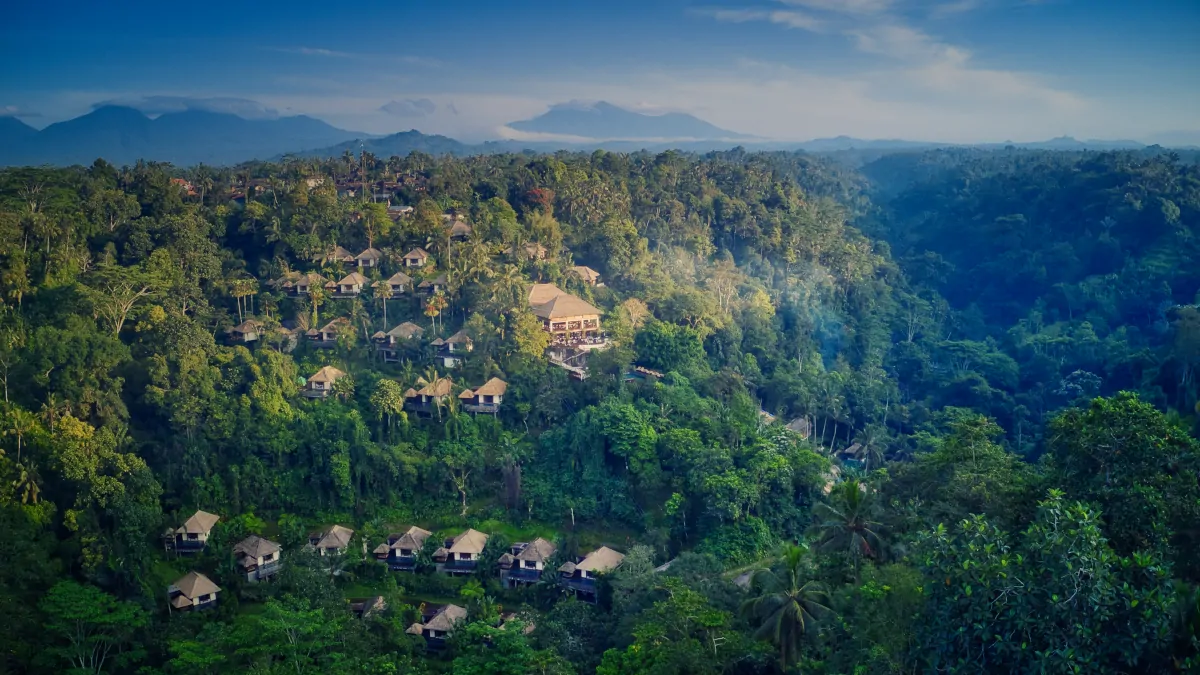
Slow Travel in Bali Is Growing Fast (2026 Trend)
“Slow travel Bali” is no longer niche - it’s one of the fastest-growing travel behaviours globally.
Instead of short stays across multiple locations, travellers are now:
Search trends reflect this shift:
All trending upward in 2025 → 2026.
Because once people try to compress Bali, they realise it works better the opposite way.
Instead of short stays across multiple locations, travellers are now:
- staying 4–7 nights in one area (especially Ubud)
- reducing inter-area travel (Canggu ↔ Ubud ↔ Uluwatu)
- prioritising walkable / self-contained environments
- choosing stays that feel like a destination, not a stop
Search trends reflect this shift:
- “how many days in Ubud Bali”
- “best place to stay in Ubud for relaxation”
- “slow travel Bali itinerary”
All trending upward in 2025 → 2026.
Because once people try to compress Bali, they realise it works better the opposite way.
Why Ubud Works Best for Slow Travel
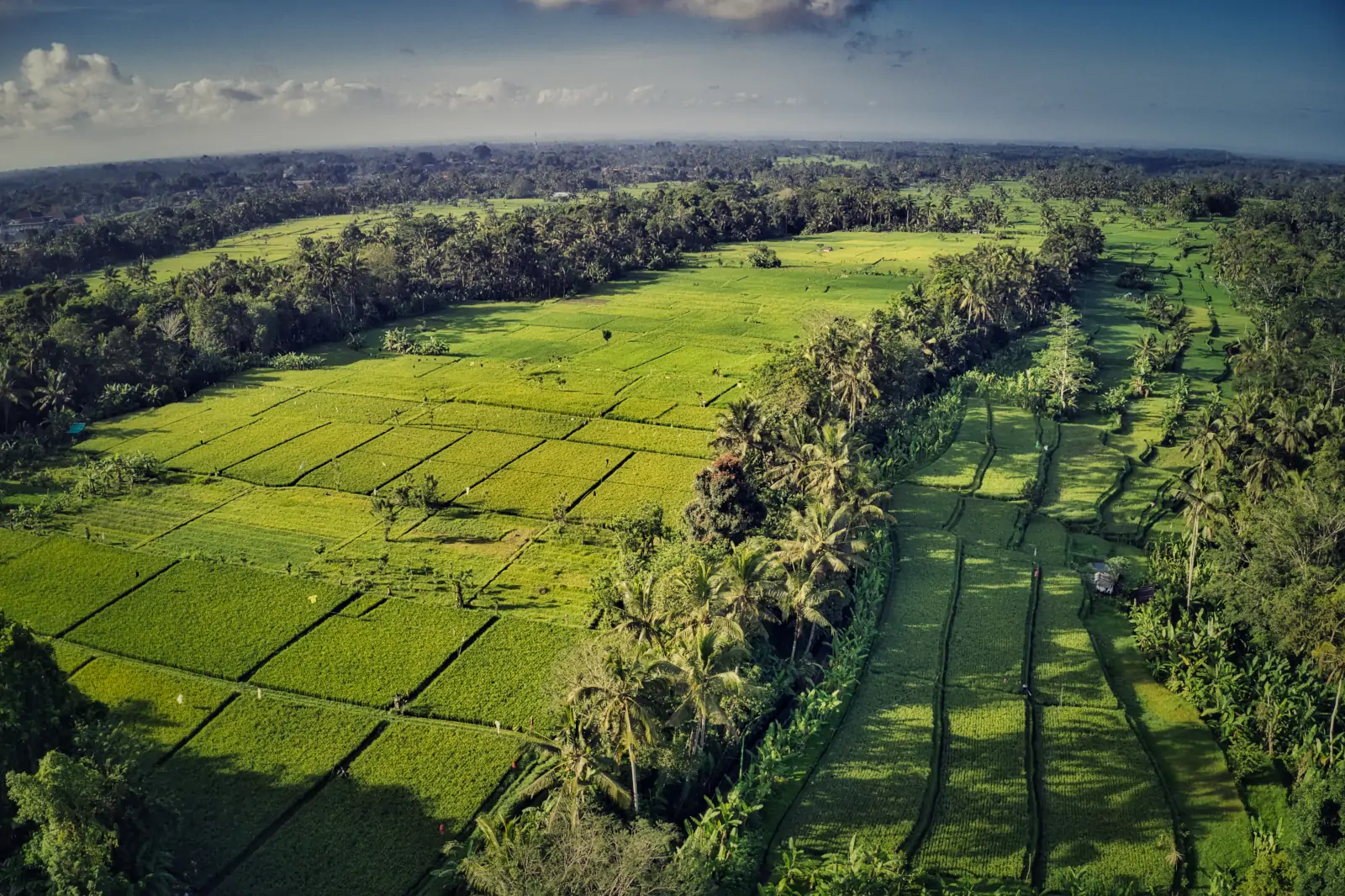
If you’re choosing one place to stay longer in Bali, it’s almost always Ubud.
Not randomly - structurally.
Ubud offers:
But the real reason is less obvious.
Ubud is one of the few places where you don’t need to leave every day for the trip to feel complete.
Ubud offers:
- central access to waterfalls, temples, rice terraces, and cultural sites
- cooler climate compared to coastal areas
- a balance of nature, dining, and cultural experiences
- less dependency on constant long-distance travel
But the real reason is less obvious.
Ubud is one of the few places where you don’t need to leave every day for the trip to feel complete.
What a Slow Travel Bali Itinerary Actually Looks Like
This is where most people misunderstand it.
Slow travel doesn’t mean doing nothing - it means structuring your trip differently.
A realistic 5-day Ubud slow travel flow:
Day 1 → Arrival + reset
Day 2 → One anchor activity
Day 3 → Stay-based day
Day 4 → Culture + dining
Day 5 → Flexible
The pattern is simple:
→ one main activity per day, not five
→ space between experiences
And that space is where the trip actually becomes memorable.
A realistic 5-day Ubud slow travel flow:
Day 1 → Arrival + reset
- settle into your villa
- light dinner
- early night
Day 2 → One anchor activity
- waterfall / temple visit (morning)
- afternoon free (spa, pool, rest)
Day 3 → Stay-based day
- no major outings
- enjoy the environment
- slow lunch, reading, pool time
Day 4 → Culture + dining
- rice terraces / local exploration
- dinner in Ubud town
Day 5 → Flexible
- revisit a favourite place
- or stay entirely within your villa
The pattern is simple:
→ one main activity per day, not five
→ space between experiences
And that space is where the trip actually becomes memorable.
The Part No One Talks About: Travel Time in Bali
Bali isn’t small in terms of movement.
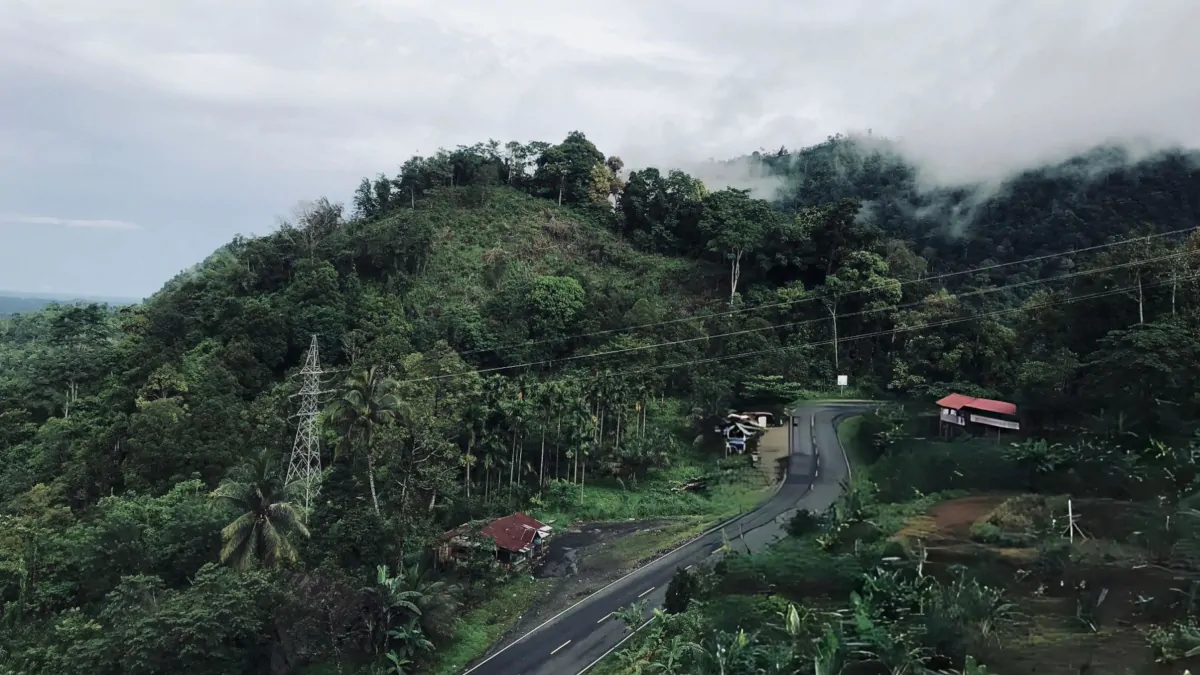
Even short distances can take time due to:
That’s why reducing movement changes everything.
Instead of spending:
You spend:
And that shift compounds across the entire trip.
- road structure
- traffic flow
- terrain
That’s why reducing movement changes everything.
Instead of spending:
- 2-3 hours per day in cars
You spend:
- that time actually experiencing where you are
And that shift compounds across the entire trip.
Why Your Hotel Choice Decides Everything
This is the part that makes or breaks slow travel.
If your hotel feels like a base, you’ll keep leaving it.
If it feels like a destination, you won’t need to.
What actually matters:
Because slow travel only works when staying feels just as valuable as exploring.
If your hotel feels like a base, you’ll keep leaving it.
If it feels like a destination, you won’t need to.
What actually matters:
- does the space hold your attention for hours?
- can you spend a full day there without needing to go out?
- does it feel private enough to stay in?
- does it change throughout the day (light, atmosphere, mood)?
Because slow travel only works when staying feels just as valuable as exploring.
Where This Actually Works in Ubud
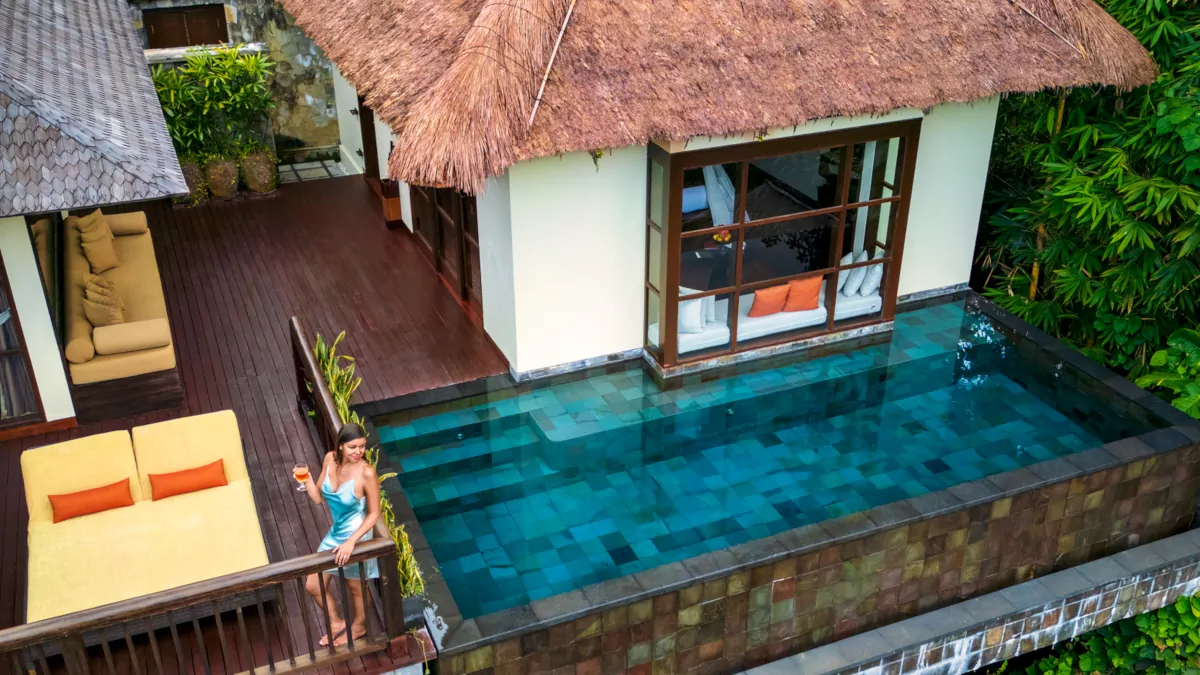
There are very few places in Ubud where you can genuinely stay in one location and feel like you’re not missing anything.
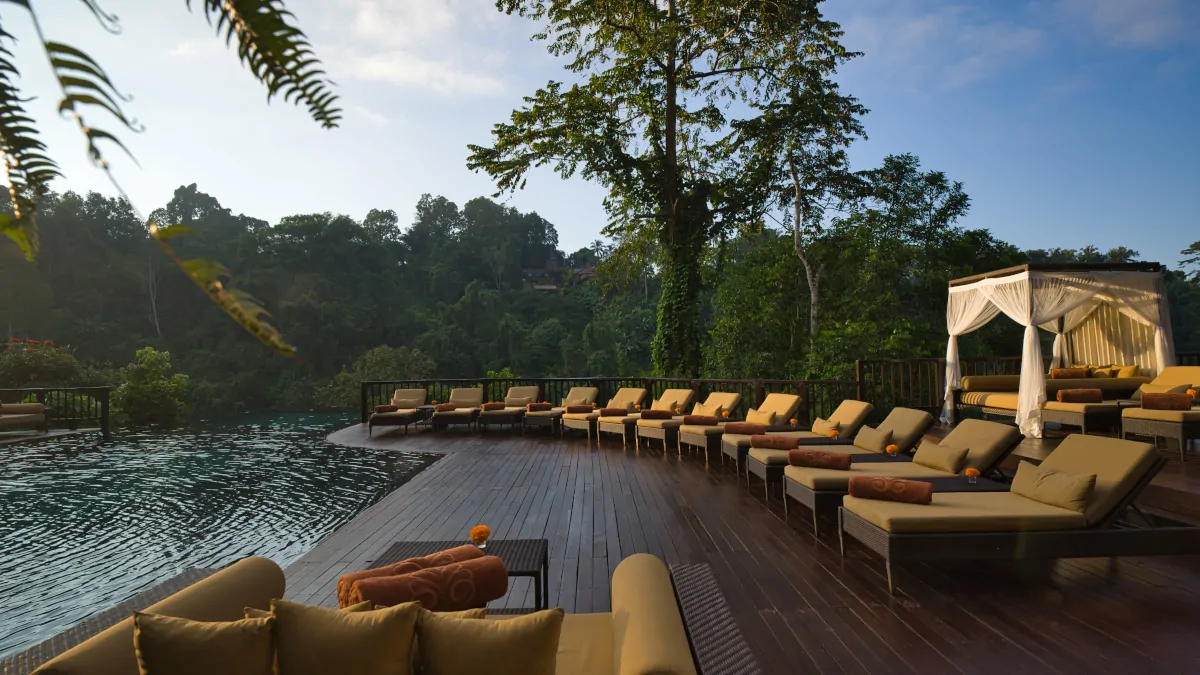
Hanging Gardens of Bali is one of them.
Not because it removes options -
but because it reduces the need to constantly search for more.
So the trip becomes:
- stay → explore → return
- not move → move → move
And that difference is everything.
Not because it removes options -
but because it reduces the need to constantly search for more.
- you can spend a full day there without needing to leave
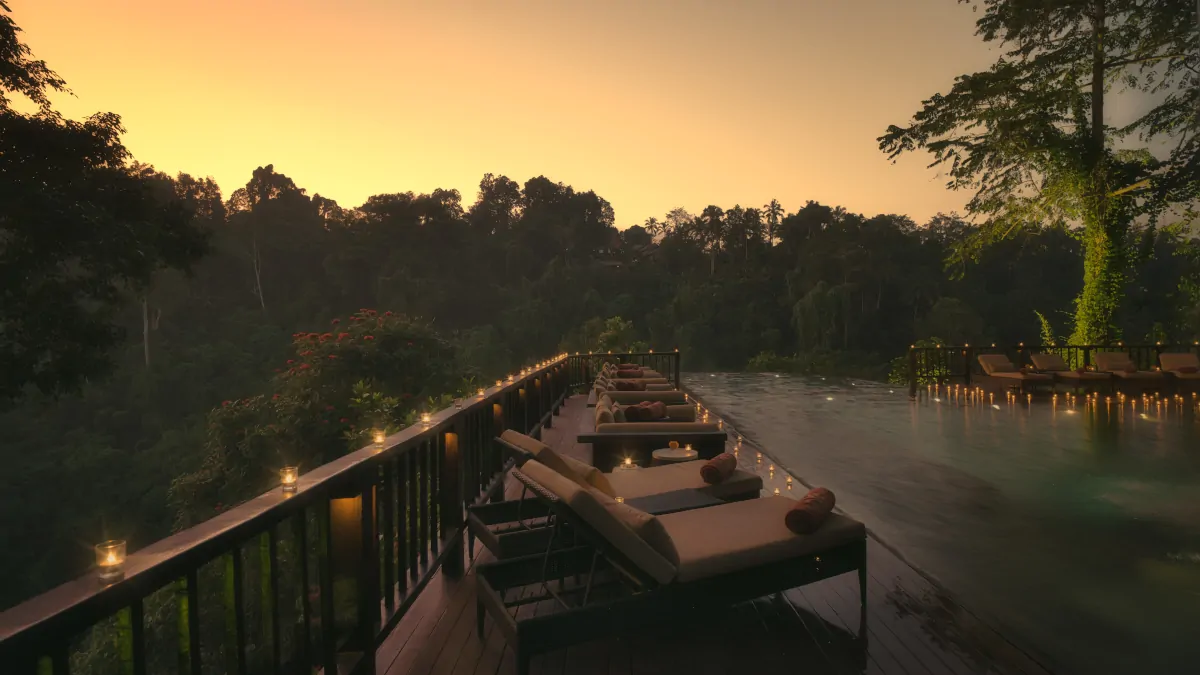
- the environment changes throughout the day (morning light → evening atmosphere)
- villas offer enough privacy to fully switch off
- when you do want to go out, you can — easily
So the trip becomes:
- stay → explore → return
- not move → move → move
And that difference is everything.
The New Definition of Luxury Travel in Bali
In 2026, luxury isn’t about doing more.
It’s about not needing to.
Not needing to:
Instead:
And that’s what people are now paying for.
It’s about not needing to.
Not needing to:
- chase locations
- fill every hour
- constantly be “on”
Instead:
- time feels open
- decisions feel optional
- experiences feel unforced
And that’s what people are now paying for.
Why This Way of Travelling Hits Different
When you travel Bali like this:
Not because you did more.
But because you actually experienced it.
- you remember the place more clearly
- you feel less rushed
- the experience feels more personal
- the trip stays with you longer
Not because you did more.
But because you actually experienced it.
Doing Bali Properly in 2026
There’s no single right way to experience Bali.
But there is a clear shift happening.
More time in fewer places.
More depth in each moment.
More attention to where you stay.
Because Bali isn’t a place you need to optimise.
It’s a place that works best when you stop trying to.
Book here.
But there is a clear shift happening.
More time in fewer places.
More depth in each moment.
More attention to where you stay.
Because Bali isn’t a place you need to optimise.
It’s a place that works best when you stop trying to.
Book here.
F.A.Q.
What is slow travel in Bali?
Slow travel in Bali means staying longer in one location and experiencing the destination more deeply rather than moving quickly between multiple areas. It focuses on fewer activities, more time in each place, and a more relaxed itinerary.
How many days should you spend in Ubud?
Most travellers spend 4 to 7 days in Ubud to experience it properly. This allows time for both exploration and slower days within your villa or hotel environment.
What is the best slow travel itinerary for Bali?
A slow travel itinerary in Bali typically includes one main activity per day, with time for rest and flexibility. Staying in one area like Ubud allows for a more complete and relaxed experience.
Why is Ubud best for slow travel?
Ubud is ideal for slow travel because it offers a balance of nature, culture, and dining, while also providing a quieter and more immersive environment compared to coastal areas.
Is it better to stay in one place in Bali?
In 2026, many travellers prefer staying in one place rather than moving between multiple locations. This reduces travel time and allows for a deeper connection to the destination.
How much travel time should you expect in Bali?
Travel time in Bali can be longer than expected due to traffic and road conditions. Staying in one area helps maximise time spent enjoying the destination rather than commuting.
What should you look for in a hotel for slow travel?
The best hotels for slow travel feel like a destination themselves, offering privacy, strong environments, and the ability to spend full days there without needing to leave.
Where is the best place to stay in Bali for relaxation?
Ubud is one of the best areas for relaxation, especially in locations just outside the centre where the environment is quieter and more immersive.
Can you stay in your hotel all day in Bali?
Yes, many travellers choose to spend full days in their hotel or villa when the environment is strong enough to support a slower, more immersive experience.
What is the new way to travel Bali in 2026?
The new approach focuses on fewer locations, longer stays, and deeper experiences, prioritising quality of time over quantity of places visited.