Wellness in Bali is no longer what it used to be.
For years, the island was associated with yoga classes, detox menus, and structured retreat schedules. It became a destination for people trying to “fix” something - quickly, intensely, and often temporarily.
In 2026, that has shifted.
Wellness in Bali is no longer about doing more.
It is about needing less.
For years, the island was associated with yoga classes, detox menus, and structured retreat schedules. It became a destination for people trying to “fix” something - quickly, intensely, and often temporarily.
In 2026, that has shifted.
Wellness in Bali is no longer about doing more.
It is about needing less.
The Shift Away from “Performative Wellness”
Across global travel, wellness is moving away from intensity and optimisation - and toward something quieter, more sustainable.
Travellers are no longer looking for:
Instead, they are seeking:
This reflects a wider shift in wellness travel - one that prioritises long-term balance over short-term transformation.
Travellers are no longer looking for:
- packed wellness schedules
- extreme detox programmes
- high-performance routines
Instead, they are seeking:
- environments that restore energy naturally
- slower, more intuitive rhythms
- experiences that last beyond the stay
This reflects a wider shift in wellness travel - one that prioritises long-term balance over short-term transformation.
The Rise of Nervous System Reset
One of the defining wellness trends of 2026 is something rarely spoken about directly: the nervous system.
Modern life keeps people in a constant state of stimulation - and travel is increasingly being used as a way to regulate that.
Wellness is no longer about pushing the body further.
It is about allowing it to come back to baseline.
What this looks like in practice:
This shift toward nervous system regulation is now central to wellness travel globally.
Wellness is no longer about pushing the body further.
It is about allowing it to come back to baseline.
What this looks like in practice:
- slower mornings and unstructured time
- reduced noise and sensory input
- breathwork, sound, and subtle practices
- environments that feel calm without effort
This shift toward nervous system regulation is now central to wellness travel globally.
Nature-Led Healing Becomes the Foundation
Another defining shift: wellness is moving out of rooms - and into environments.
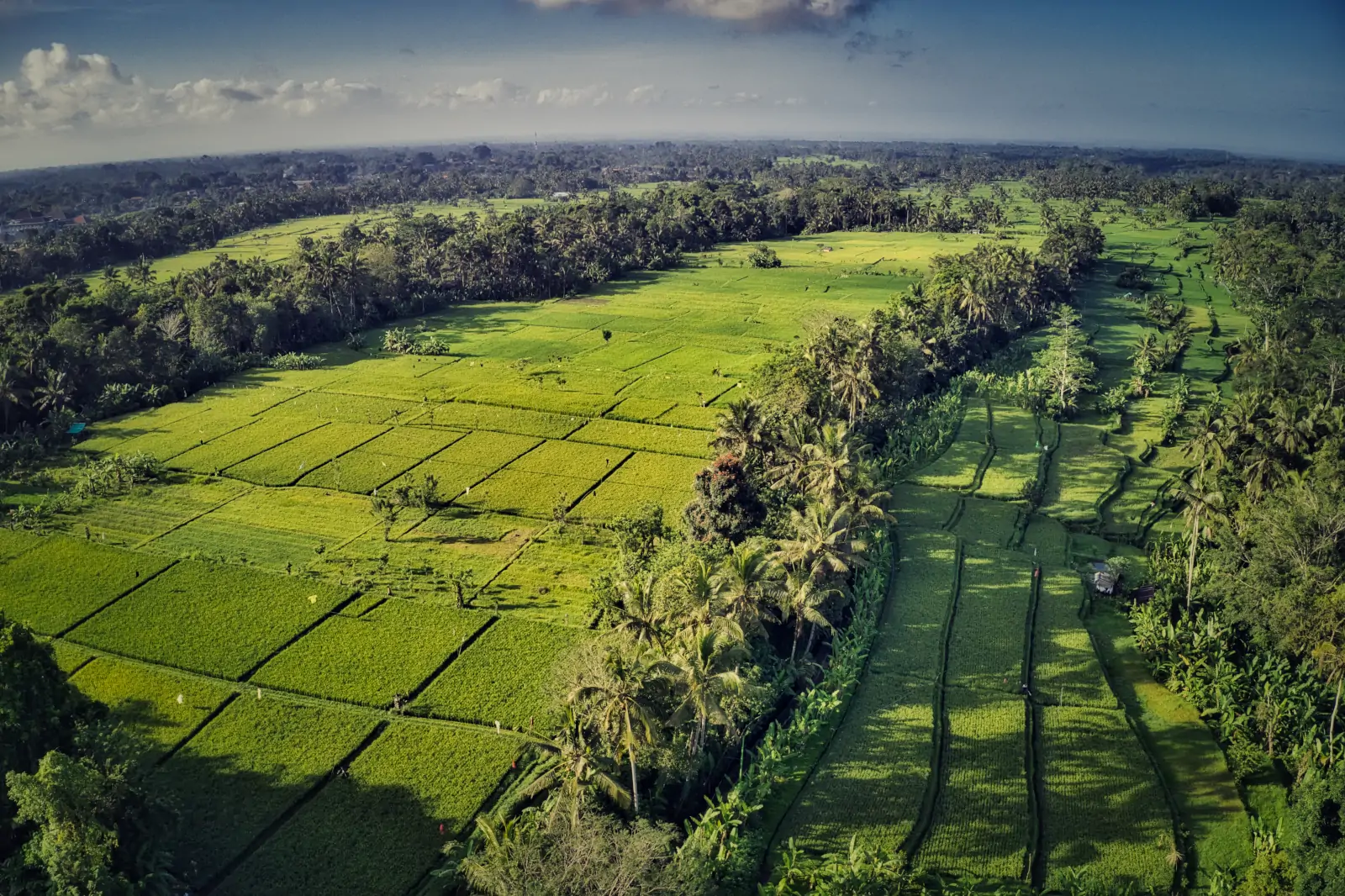
In 2026, travellers are choosing destinations where the setting itself does the work.
Rather than relying on treatments alone, wellness is being shaped by:
This aligns with a broader return to simplicity - where nature becomes the primary source of restoration.
In Bali, this is most visible in Ubud.
But even within Ubud, not every environment offers the same depth of experience.
Rather than relying on treatments alone, wellness is being shaped by:
- immersion in natural landscapes
- exposure to fresh air, light, and silence
- time spent in environments that slow the body down
This aligns with a broader return to simplicity - where nature becomes the primary source of restoration.
In Bali, this is most visible in Ubud.
But even within Ubud, not every environment offers the same depth of experience.
From “Spa” to Recovery and Longevity
Wellness is no longer a short escape - it is being reframed as something deeper.
In 2026, the focus has shifted toward:
Travel is now seen as a way to recalibrate the body - not overwhelm it.
New wellness experiences often include:
The goal is not to leave transformed for a moment - but to leave different for longer.
In 2026, the focus has shifted toward:
- recovery rather than indulgence
- longevity rather than quick results
- sleep, energy, and daily rhythm
Travel is now seen as a way to recalibrate the body - not overwhelm it.
New wellness experiences often include:
- sleep-focused environments
- slower daily pacing
- intentional rest built into the day
- practices that can continue after the trip
The goal is not to leave transformed for a moment - but to leave different for longer.
Privacy as the New Luxury
Another major shift in wellness travel:
privacy has become the new status symbol.
privacy has become the new status symbol.
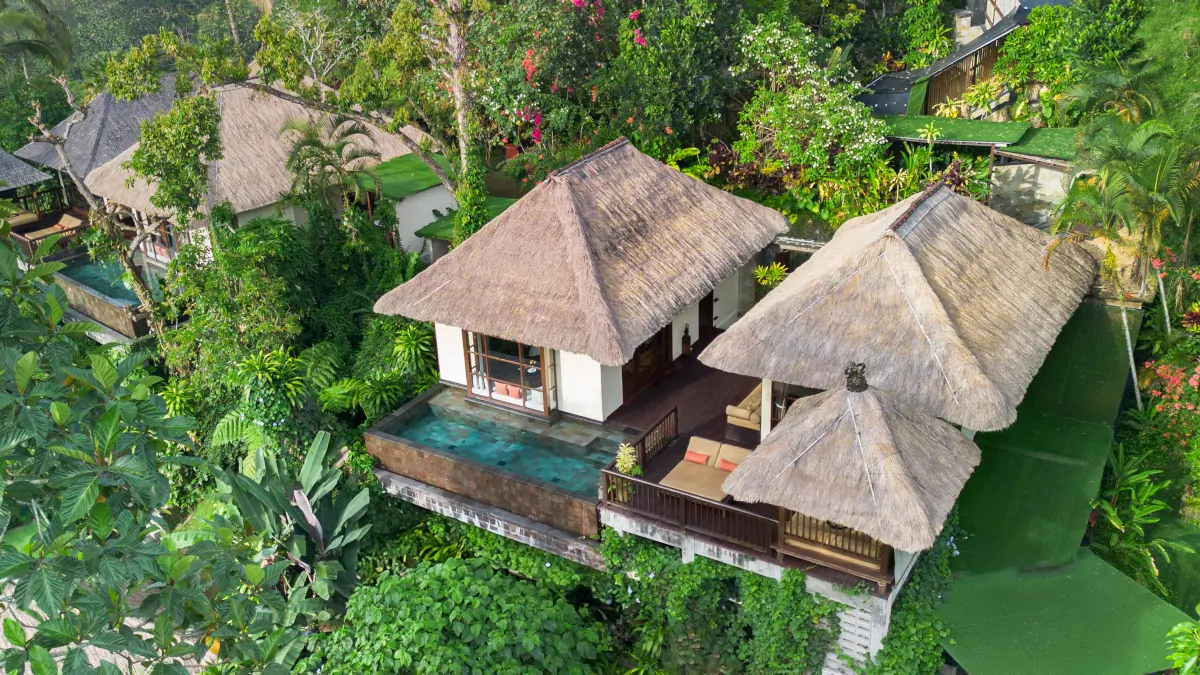
In a world of constant exposure, people are seeking:
Wellness is no longer something performed publicly.
It is something experienced privately.
This is now one of the defining markers of high-end travel in 2026.
- space
- quiet
- low-density environments
- experiences that feel personal, not shared
Wellness is no longer something performed publicly.
It is something experienced privately.
This is now one of the defining markers of high-end travel in 2026.
Wellness Becomes Emotional, Not Just Physical
Perhaps the most important shift:
Wellness is no longer purely physical.
It is emotional.
Mental clarity, emotional balance, and inner stillness are now at the centre of how people define “feeling well.”
This includes:
The industry itself is moving toward emotional repair, nervous-system safety, and embodied wellbeing - rather than surface-level routines.
Wellness is no longer purely physical.
It is emotional.
Mental clarity, emotional balance, and inner stillness are now at the centre of how people define “feeling well.”
This includes:
- addressing stress and burnout
- creating space for mental reset
- reconnecting with a slower internal pace
The industry itself is moving toward emotional repair, nervous-system safety, and embodied wellbeing - rather than surface-level routines.
Wellness Without Structure
The result of all of this is a different kind of wellness experience.
One that feels:
The most sought-after environments in 2026 are not the ones offering the most activities.
They are the ones where nothing needs to be added.
One that feels:
- unforced
- unstructured
- natural rather than scheduled
The most sought-after environments in 2026 are not the ones offering the most activities.
They are the ones where nothing needs to be added.
Where This Exists in Bali
In Bali, wellness has always been connected to place.
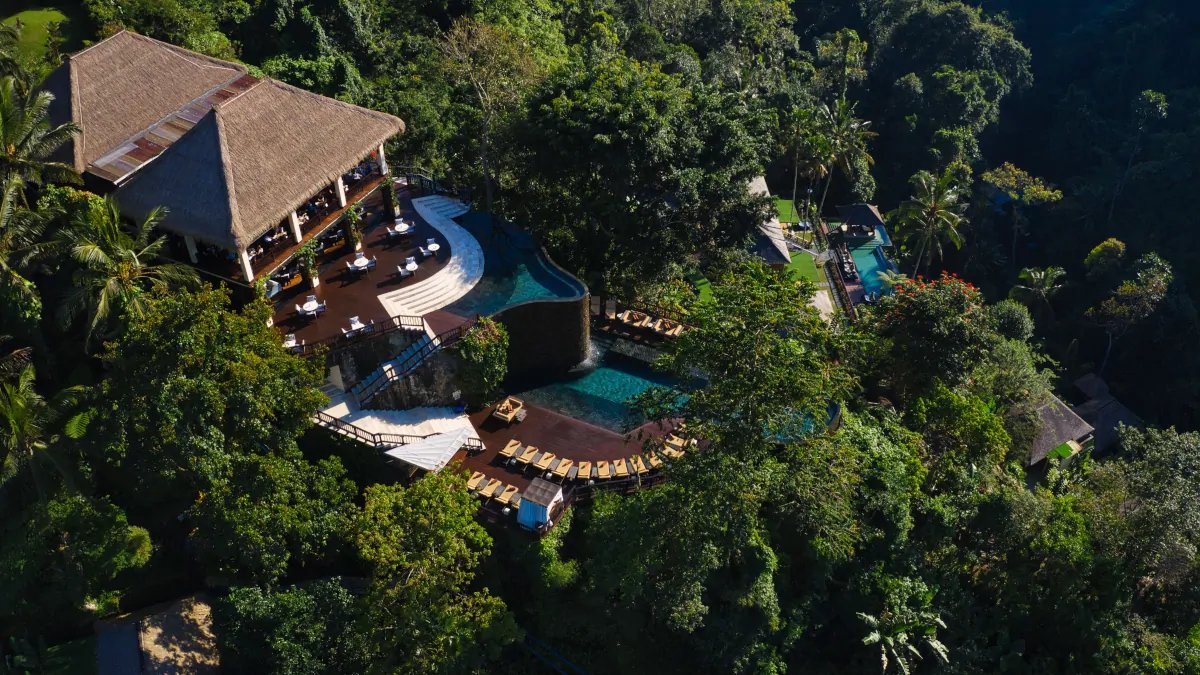
But in 2026, the difference lies in how deeply that place is experienced.
There are very few environments where:
Hanging Gardens of Bali is the one to go to.
Not just because it positions itself as a wellness retreat - but because the environment itself creates the conditions for it.
It reflects what wellness in Bali has become:
Not something you follow.
Something you fall into.
There are very few environments where:
- the pace naturally slows
- the surroundings reduce stimulation
- the body begins to settle without effort
Hanging Gardens of Bali is the one to go to.
Not just because it positions itself as a wellness retreat - but because the environment itself creates the conditions for it.
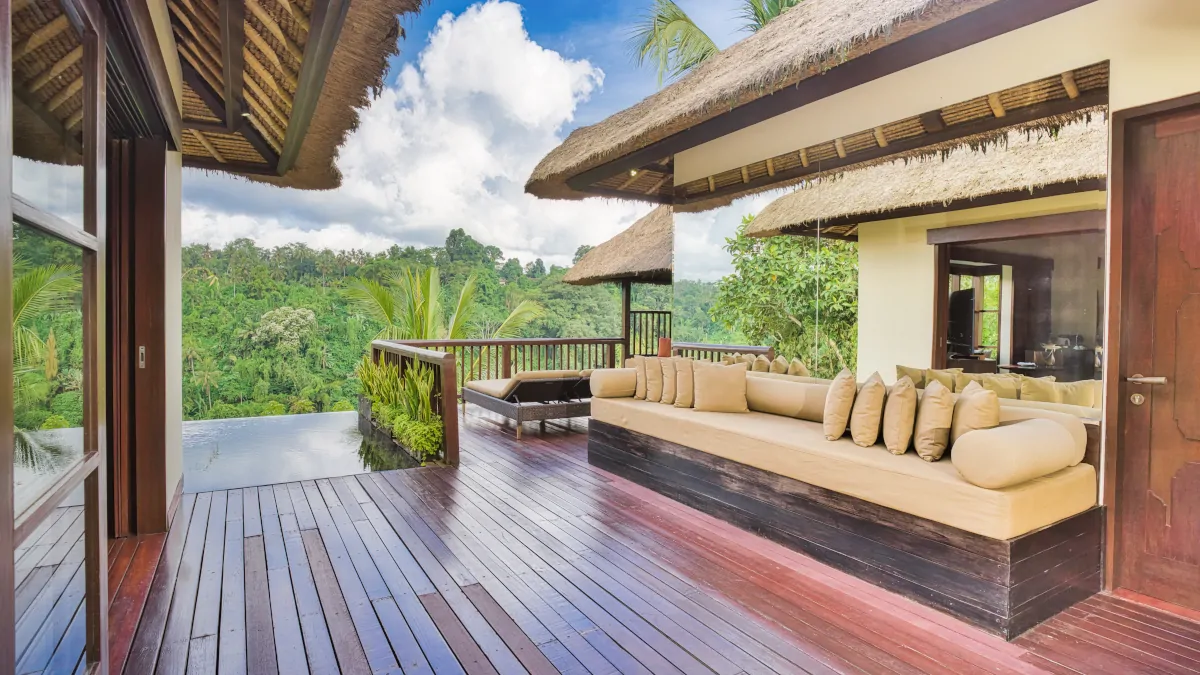
- a rainforest setting that absorbs noise
- private villas that remove visual and social pressure
- space, distance, and stillness built into the experience
- the ability to move through the day without structure
It reflects what wellness in Bali has become:
Not something you follow.
Something you fall into.
What Wellness in Bali Now Feels Like
In 2026, wellness in Bali is no longer defined by what you do.
It is defined by how you feel - and how easily that feeling comes.
It is:
And the places that understand this are no longer trying to deliver wellness.
They are creating environments where it happens naturally.
To book your experience, contact the concierge
It is defined by how you feel - and how easily that feeling comes.
It is:
- slower, but more effective
- quieter, but more impactful
- simpler, but more lasting
And the places that understand this are no longer trying to deliver wellness.
They are creating environments where it happens naturally.
To book your experience, contact the concierge
F.A.Q.
What is wellness travel in Bali in 2026?
Wellness travel in Bali in 2026 focuses on slower, more immersive experiences rather than structured retreats. It prioritises rest, environment, and emotional balance, with travellers choosing longer stays in calm, natural settings rather than intensive schedules or short-term programmes.
Is Bali still a top destination for wellness retreats?
Yes, Bali remains one of the world’s leading wellness destinations. In 2026, the focus has shifted toward more natural, environment-led experiences, especially in areas like Ubud where jungle landscapes and slower pacing support a deeper sense of wellbeing.
What are the latest wellness trends in Bali?
The biggest wellness trends in Bali include nervous system regulation, nature-led healing, privacy-focused stays, and unstructured wellness experiences. Travellers are increasingly choosing environments that allow rest and recovery to happen naturally, rather than following strict wellness programmes.
What is a nervous system reset retreat in Bali?
A nervous system reset focuses on reducing stress and overstimulation through calm environments, slower routines, and minimal structure. In Bali, this often includes time in nature, quiet surroundings, and experiences that allow the body and mind to return to a more balanced state.
Where is the best place in Bali for wellness and relaxation?
Ubud is considered one of the best areas in Bali for wellness and relaxation due to its rainforest landscapes, slower pace, and strong connection to nature. Staying in quieter, more private environments just outside central Ubud offers the most immersive wellness experience.
What makes a wellness stay in Bali different from a regular hotel stay?
A wellness stay in Bali focuses on environment, atmosphere, and how the space supports rest and balance. This includes natural surroundings, reduced noise, privacy, and a slower daily rhythm, rather than just amenities or activities.
Are wellness retreats in Bali still structured?
Some retreats still offer structured programmes, but the trend in 2026 is moving toward unstructured wellness. Travellers are increasingly choosing flexible stays where they can rest, reset, and move through their day naturally without a fixed schedule.
What should you look for in a wellness hotel in Bali?
When choosing a wellness hotel in Bali, key factors include a calm natural environment, privacy, low-density spaces, and the ability to spend time without needing constant activity. The setting itself should support relaxation and balance.
Why is Ubud popular for wellness travel?
Ubud is popular for wellness travel because of its natural surroundings, including jungle, rivers, and rice fields, as well as its slower pace and cultural atmosphere. These elements create a setting that naturally supports rest, reflection, and wellbeing.
Where can you experience this type of wellness in Bali?
This type of environment-led wellness can be experienced in select locations in Ubud where the landscape, privacy, and atmosphere are fully integrated into the stay. These places focus less on structured programmes and more on creating the conditions for rest and balance to happen naturally.