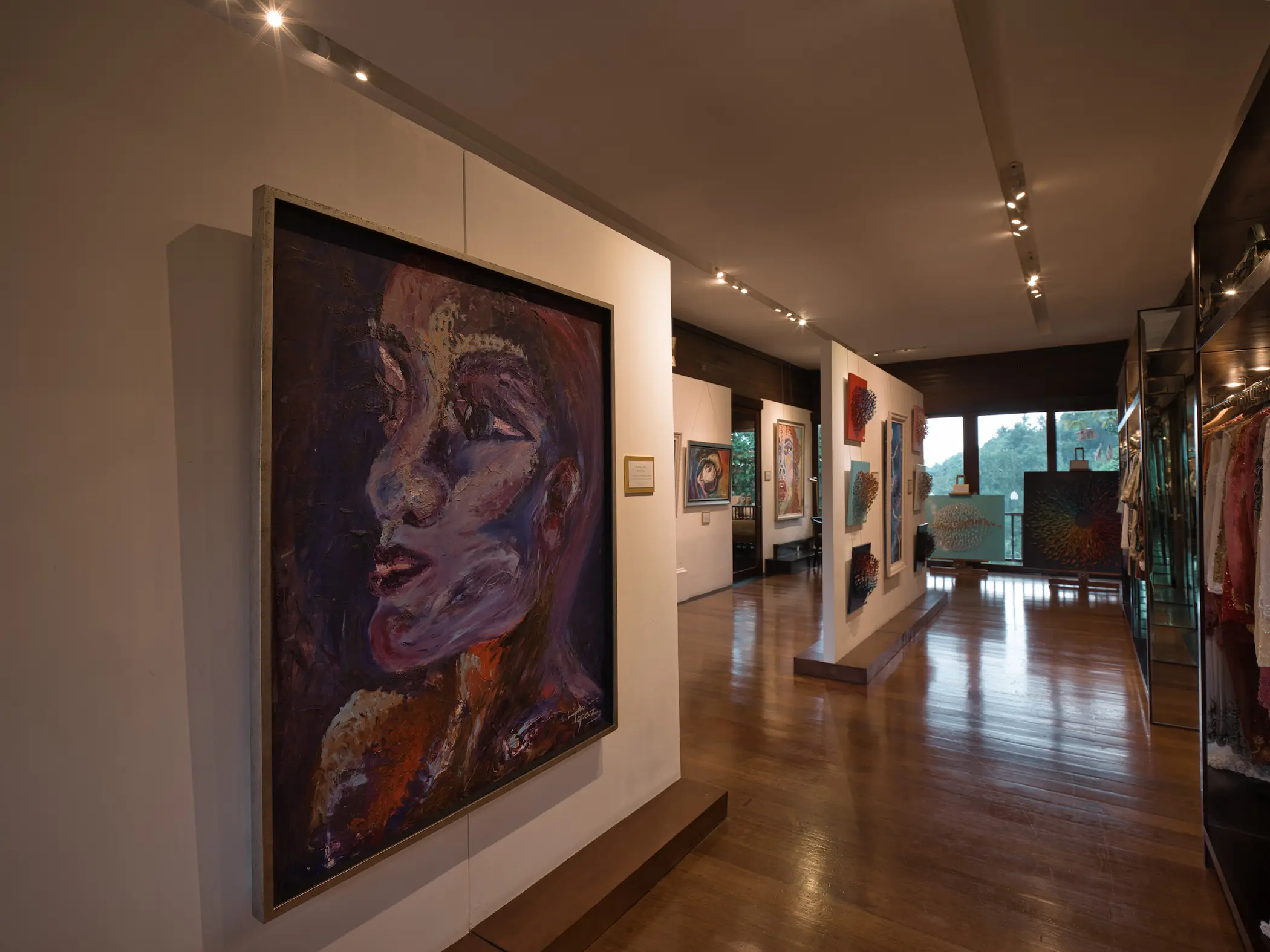
Works encountered outside conventional gallery settings behave differently.
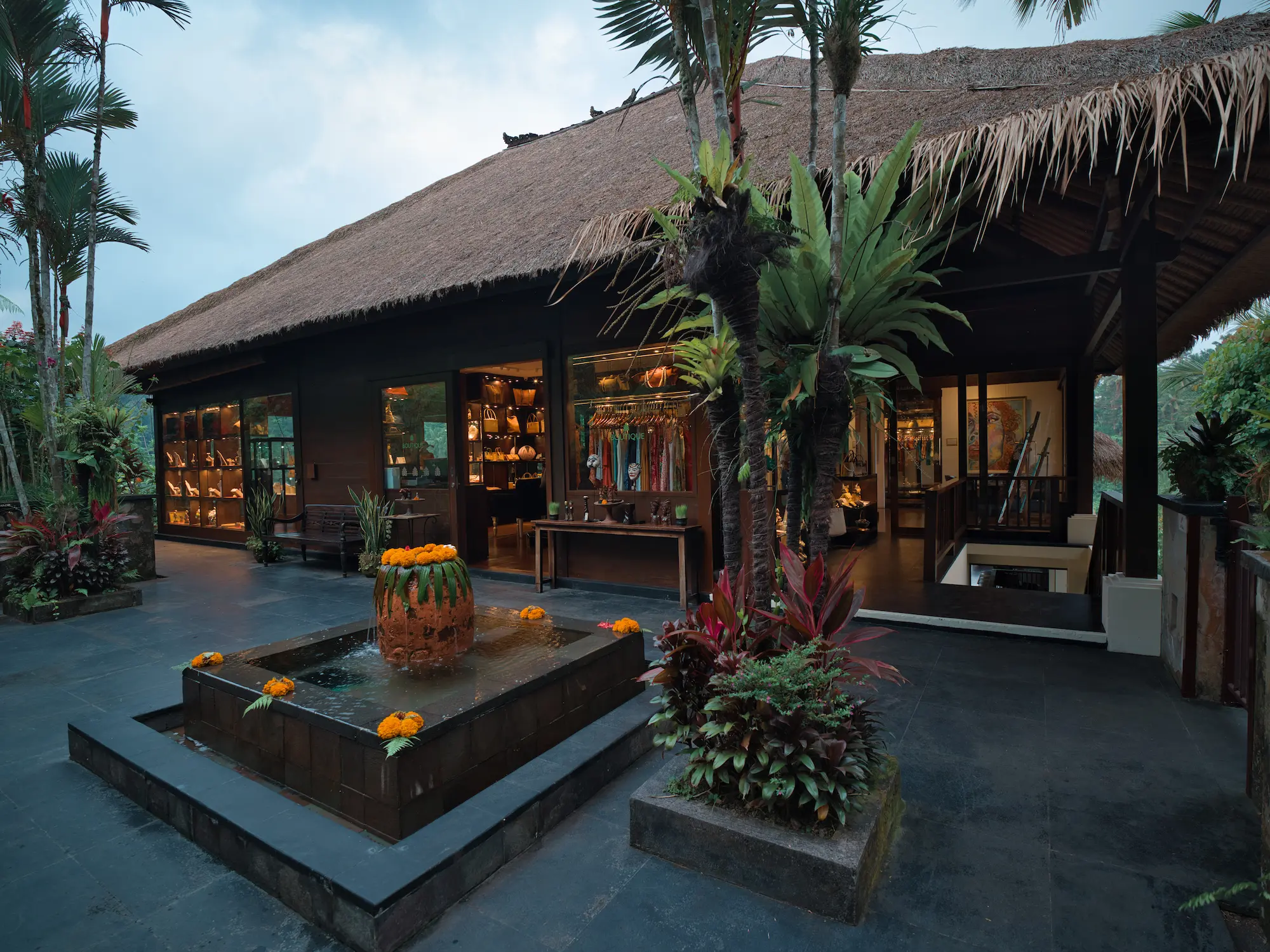
At Hanging Gardens of Bali, contemporary art and fine jewellery are not presented as a collection to be consumed in sequence, nor framed as an exhibition to be completed. They appear instead as a series of encounters - across pathways, architecture, and private interiors - unfolding gradually over time.
For collectors visiting Bali and searching for an art gallery in Ubud or a fine jewellery experience beyond commercial retail, the result is subtle and unexpected. Attention shifts quietly. Recognition arrives late. Meaning accumulates without announcement.
This is not a gallery you enter.
It is one you move through.
At Hanging Gardens of Bali, contemporary art and fine jewellery are not presented as a collection to be consumed in sequence, nor framed as an exhibition to be completed. They appear instead as a series of encounters - across pathways, architecture, and private interiors - unfolding gradually over time.
For collectors visiting Bali and searching for an art gallery in Ubud or a fine jewellery experience beyond commercial retail, the result is subtle and unexpected. Attention shifts quietly. Recognition arrives late. Meaning accumulates without announcement.
This is not a gallery you enter.
It is one you move through.
Why Art Belongs in Places of Stillness
In environments free from footfall pressure, signage, and interpretive demand, works are not consumed once - they are returned to.
Light changes.
Distance changes.
The viewer’s relationship to the object changes.
The mode of encounter - familiar to collectors who live with art rather than visit it - is difficult to replicate in fairs, showrooms, or institutional exhibitions. At Hanging Gardens of Bali, it emerges naturally through landscape, scale, and the absence of crowd dynamics.
Rather than isolating works for display, the environment allows them to appear, recede, and reappear. This rhythm mirrors private collecting more closely than public exhibition, offering a way of seeing that feels unforced, personal and visually addictive.
Light changes.
Distance changes.
The viewer’s relationship to the object changes.
The mode of encounter - familiar to collectors who live with art rather than visit it - is difficult to replicate in fairs, showrooms, or institutional exhibitions. At Hanging Gardens of Bali, it emerges naturally through landscape, scale, and the absence of crowd dynamics.
Rather than isolating works for display, the environment allows them to appear, recede, and reappear. This rhythm mirrors private collecting more closely than public exhibition, offering a way of seeing that feels unforced, personal and visually addictive.
Craft, Emotion, and Objects Designed to Live Forever
Across the works placed throughout the property, craftsmanship is a constant.
Materials are handled with precision.
Finishes are deliberate.
Proportion and balance are resolved, not decorative.
Nothing relies on surface novelty. These are objects that reward repeated attention - works whose weight and restraint signal durability rather than just statement.
There is also a clear logic of use. Not symbolic ritual, but practical repetition. Objects designed to be revisited, touched, worn, and re-encountered across time and setting. Context accumulates naturally. Meaning deepens through familiarity.
For seasoned collectors, this reads not as theatre, but as confidence.
Materials are handled with precision.
Finishes are deliberate.
Proportion and balance are resolved, not decorative.
Nothing relies on surface novelty. These are objects that reward repeated attention - works whose weight and restraint signal durability rather than just statement.
There is also a clear logic of use. Not symbolic ritual, but practical repetition. Objects designed to be revisited, touched, worn, and re-encountered across time and setting. Context accumulates naturally. Meaning deepens through familiarity.
For seasoned collectors, this reads not as theatre, but as confidence.
Jewellery as the First Point of Contact
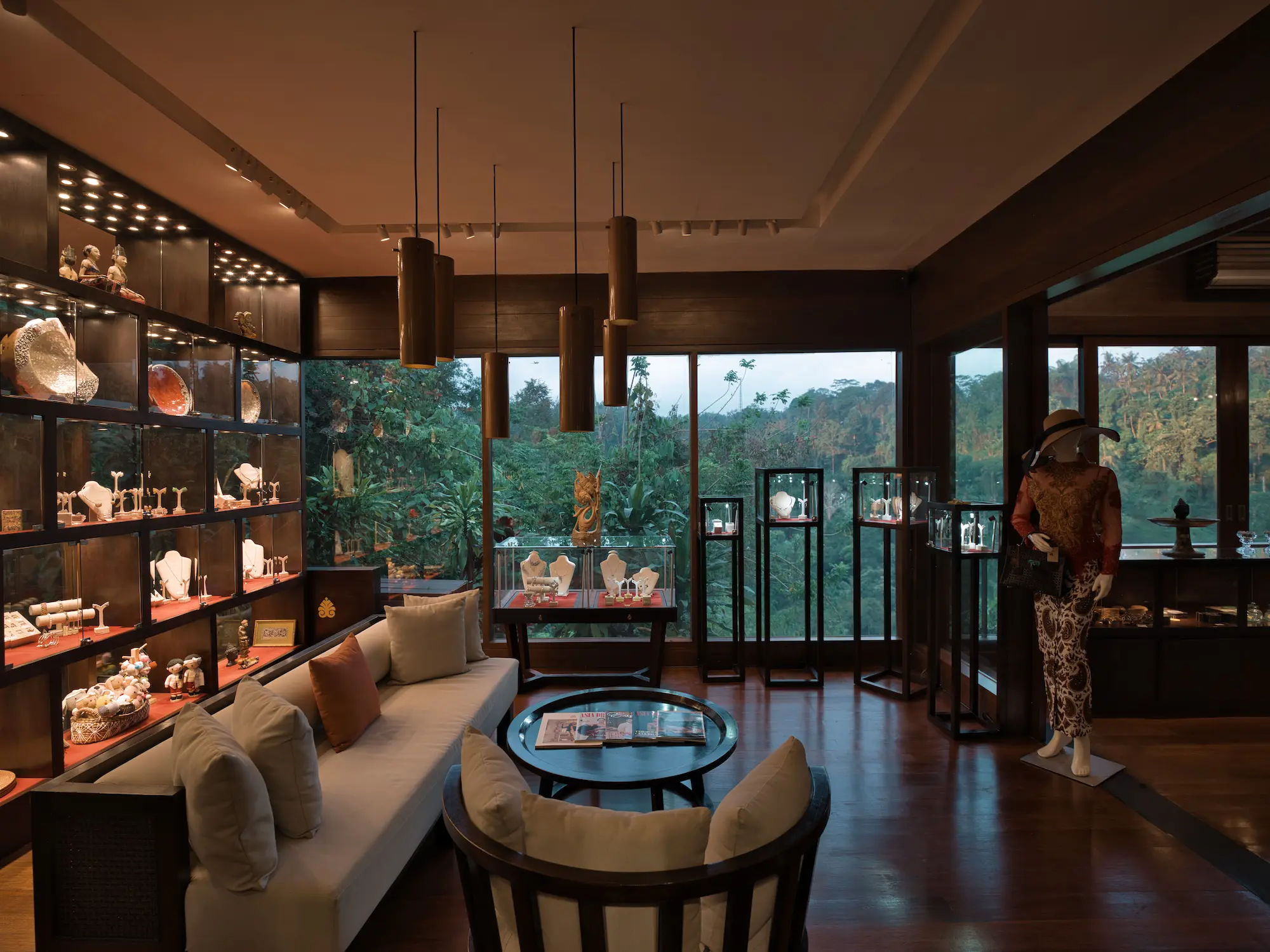
Jewellery is encountered first because it operates at the most intimate scale.
The fine jewellery placed at Hanging Gardens of Bali is not introduced as accessory, but as sculptural cultural objects - worn, handled, returned to, and seen again elsewhere only by those who have had this specific Hanging Gardens of Bali gallery access.
Proximity allows material and proportion to register immediately, without mediation.
Certain forms recur.
Certain gestures repeat.
Seen once, each piece is complete. Seen again - in a different light, after time spent elsewhere - those same forms begin to register differently. Jewellery becomes memory-based, not transactional.
This is not retail.
It is recognition.
The fine jewellery placed at Hanging Gardens of Bali is not introduced as accessory, but as sculptural cultural objects - worn, handled, returned to, and seen again elsewhere only by those who have had this specific Hanging Gardens of Bali gallery access.
Proximity allows material and proportion to register immediately, without mediation.
Certain forms recur.
Certain gestures repeat.
Seen once, each piece is complete. Seen again - in a different light, after time spent elsewhere - those same forms begin to register differently. Jewellery becomes memory-based, not transactional.
This is not retail.
It is recognition.
Art as Spatial Extension
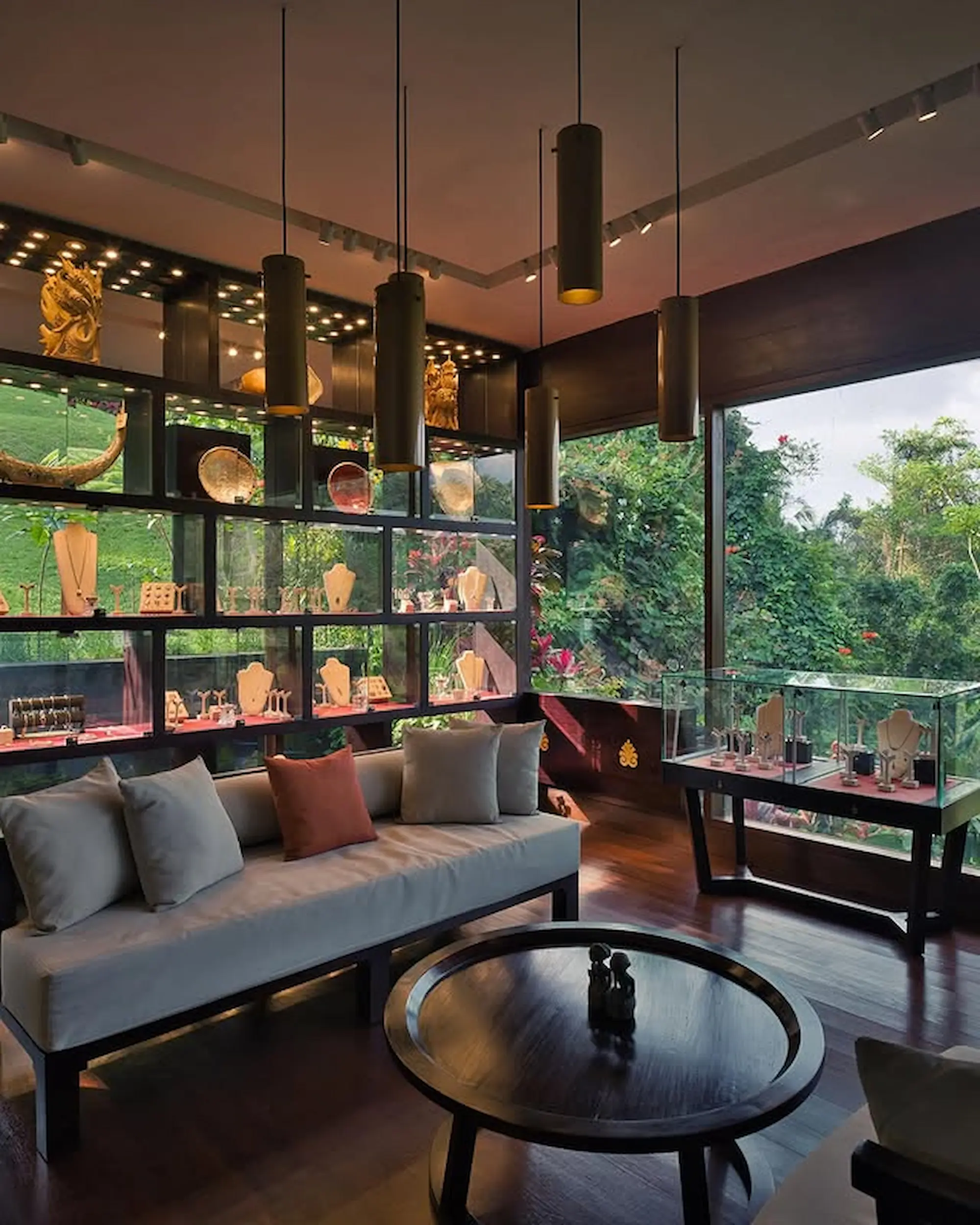
The artworks do not introduce a separate visual language.
What appears at the scale of the body in jewellery re-emerges structurally in painting and sculpture - enlarged, rearranged, and positioned within architectural space. Gesture migrates. Form evolves.
Works from Art by Topaz Peretz and Jewellery by Topaz Peretz exist in proximity without signage or hierarchy. The distinction is not just conceptual, but spatial: one circulates with the body, the other occupies the room.
Movement through the property completes the loop.
Jewellery encountered early gains new context after time spent with the artworks. The artworks in turn, feel resolved when attention returns to the intimate scale of the object. The relationship is continuous, not sequential - and never explained.
What appears at the scale of the body in jewellery re-emerges structurally in painting and sculpture - enlarged, rearranged, and positioned within architectural space. Gesture migrates. Form evolves.
Works from Art by Topaz Peretz and Jewellery by Topaz Peretz exist in proximity without signage or hierarchy. The distinction is not just conceptual, but spatial: one circulates with the body, the other occupies the room.
Movement through the property completes the loop.
Jewellery encountered early gains new context after time spent with the artworks. The artworks in turn, feel resolved when attention returns to the intimate scale of the object. The relationship is continuous, not sequential - and never explained.
A Female-Led Practice, Without Emphasis
The works form part of a wider movement towards female-led, cross-disciplinary practices operating without declaration.
Authorship is not foregrounded. Identity is not used as framing. The emphasis remains on coherence of form, authenticity, cultural complexities and love for tactility.
For collectors accustomed to contemporary practices that move fluidly between disciplines, this restraint reads as editorial discipline rather than branding - a signal of seriousness & authenticity rather than performance.
Authorship is not foregrounded. Identity is not used as framing. The emphasis remains on coherence of form, authenticity, cultural complexities and love for tactility.
For collectors accustomed to contemporary practices that move fluidly between disciplines, this restraint reads as editorial discipline rather than branding - a signal of seriousness & authenticity rather than performance.
When Travel Becomes Access
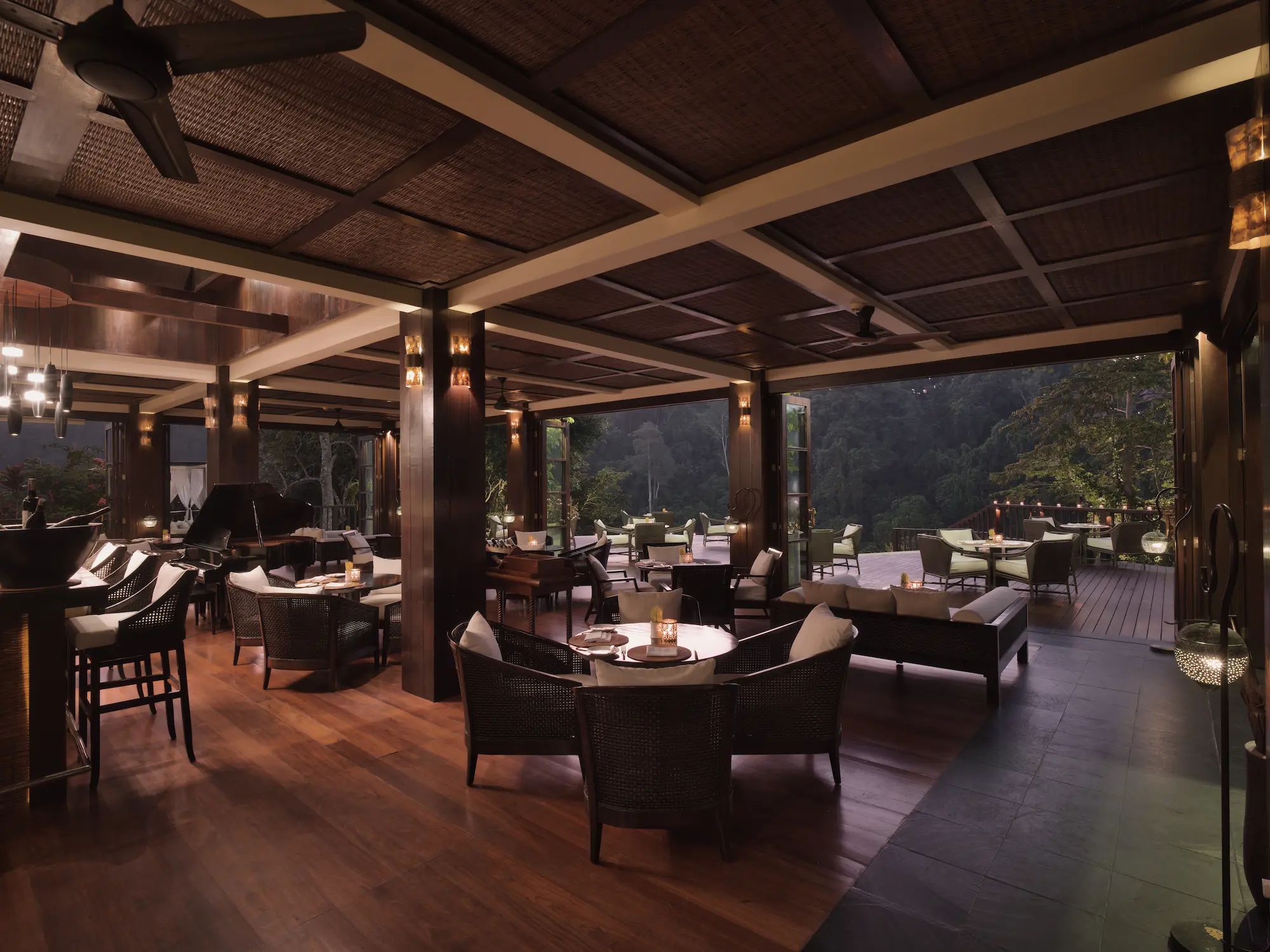
Most collectors can see art anywhere.
What is rarer is encountering work under conditions that will not repeat: shifting light, evolving architecture, a slower rhythm of attention. Placement here is not fixed. Works change context as the property evolves.
For those engaging with contemporary art in Bali, or seeking a collector-level jewellery experience in Ubud, this impermanence matters. What exists at Hanging Gardens of Bali exists only in this configuration - for a limited time, and for a limited audience.
Those who recognise a work here often remember it less for what it was and more for where and how it was first seen. To enjoy and satisfy a collector’s insatiability for beauty.
And that, ultimately, is what lives forever.
To visit, contact our concierge here.
What is rarer is encountering work under conditions that will not repeat: shifting light, evolving architecture, a slower rhythm of attention. Placement here is not fixed. Works change context as the property evolves.
For those engaging with contemporary art in Bali, or seeking a collector-level jewellery experience in Ubud, this impermanence matters. What exists at Hanging Gardens of Bali exists only in this configuration - for a limited time, and for a limited audience.
Those who recognise a work here often remember it less for what it was and more for where and how it was first seen. To enjoy and satisfy a collector’s insatiability for beauty.
And that, ultimately, is what lives forever.
To visit, contact our concierge here.
F.A.Q.
Q. Is there an art gallery at Hanging Gardens of Bali?
A. Hanging Gardens of Bali does not operate as a conventional art gallery. Art and jewellery are encountered throughout the property as part of the environment itself - across pathways, architecture, and private interiors - allowing works to be experienced gradually rather than viewed in a single exhibition space.
Q. How is art experienced differently outside a traditional gallery setting?
A. Outside traditional galleries, art is revisited rather than consumed once. Changes in light, distance, and pace alter perception over time. In a setting of stillness, works are encountered repeatedly, allowing meaning to accumulate naturally rather than being explained or directed.
Q. What type of art is presented at Hanging Gardens of Bali?
A. The works presented focus on craftsmanship, material integrity, and emotional longevity. They are contemporary in language but grounded in durability - objects designed to live with people and create conversation.
Q. Why is fine jewellery encountered before larger artworks?
A. Jewellery operates at the most intimate scale. As wearable sculptural objects, jewellery pieces create an immediate material connection before the viewer encounters larger spatial works. This establishes a tactile relationship that later deepens when similar forms reappear in painting or sculpture.
Q. Is the jewellery experience at Hanging Gardens of Bali a retail offering?
A. No, jewellery at Hanging Gardens of Bali is not presented as retail, but is available for purchase exclusively for Hanging Gardens of Bali guests. It is encountered as part of a cultural and spatial narrative, where recognition replaces transaction. Access is contextual, selective, and tied to the experience of place rather than commercial display.
Q. How do art and jewellery relate to each other in this setting?
A. Jewellery and art share a continuous visual language. Gestures, forms, and proportions migrate between scales - appearing first on the body, then re-emerging architecturally within the space. The relationship is spatial and experiential, not explained through signage or hierarchy.
Q. Who is this art and jewellery experience designed for?
A. This experience is designed for collectors and culturally engaged travellers who are accustomed to living with art rather than viewing it briefly. It appeals to those who value restraint, material intelligence, and encounters that unfold over time.
Q. Is the practice behind the works female-led?
A. Yes, the practice is female-led, though authorship is not foregrounded as a branding device. The focus remains on coherence of form, emotional depth, material tactility, and cross-disciplinary fluency rather than identity-based framing.
Q. Why does stillness matter in how art is perceived here?
A. Stillness allows attention to stretch. Without crowd dynamics, signage, or urgency, viewers engage with works repeatedly and intuitively. This mirrors how collectors experience art in private environments rather than public institutions.
Q. Does the art and jewellery placement change over time?
A. Yes, placement evolves with the property. Works shift context as architecture, light, and surroundings change. This impermanence means each encounter exists only in a specific moment and configuration.
Q. Can guests arrange to view or engage more deeply with the works?
A. Yes, guests interested in deeper engagement with the art and jewellery experience can arrange access through the Hanging Gardens of Bali concierge. Encounters are handled discreetly and contextually rather than as scheduled viewings.
Q. Why does this type of art encounter resonate with collectors?
A. Collectors often remember not just the object, but where and how it was first seen. Encountering work within a living environment - under shifting light and unforced attention - creates memory, attachment, and recognition that outlasts conventional exhibition formats.
A. Hanging Gardens of Bali does not operate as a conventional art gallery. Art and jewellery are encountered throughout the property as part of the environment itself - across pathways, architecture, and private interiors - allowing works to be experienced gradually rather than viewed in a single exhibition space.
Q. How is art experienced differently outside a traditional gallery setting?
A. Outside traditional galleries, art is revisited rather than consumed once. Changes in light, distance, and pace alter perception over time. In a setting of stillness, works are encountered repeatedly, allowing meaning to accumulate naturally rather than being explained or directed.
Q. What type of art is presented at Hanging Gardens of Bali?
A. The works presented focus on craftsmanship, material integrity, and emotional longevity. They are contemporary in language but grounded in durability - objects designed to live with people and create conversation.
Q. Why is fine jewellery encountered before larger artworks?
A. Jewellery operates at the most intimate scale. As wearable sculptural objects, jewellery pieces create an immediate material connection before the viewer encounters larger spatial works. This establishes a tactile relationship that later deepens when similar forms reappear in painting or sculpture.
Q. Is the jewellery experience at Hanging Gardens of Bali a retail offering?
A. No, jewellery at Hanging Gardens of Bali is not presented as retail, but is available for purchase exclusively for Hanging Gardens of Bali guests. It is encountered as part of a cultural and spatial narrative, where recognition replaces transaction. Access is contextual, selective, and tied to the experience of place rather than commercial display.
Q. How do art and jewellery relate to each other in this setting?
A. Jewellery and art share a continuous visual language. Gestures, forms, and proportions migrate between scales - appearing first on the body, then re-emerging architecturally within the space. The relationship is spatial and experiential, not explained through signage or hierarchy.
Q. Who is this art and jewellery experience designed for?
A. This experience is designed for collectors and culturally engaged travellers who are accustomed to living with art rather than viewing it briefly. It appeals to those who value restraint, material intelligence, and encounters that unfold over time.
Q. Is the practice behind the works female-led?
A. Yes, the practice is female-led, though authorship is not foregrounded as a branding device. The focus remains on coherence of form, emotional depth, material tactility, and cross-disciplinary fluency rather than identity-based framing.
Q. Why does stillness matter in how art is perceived here?
A. Stillness allows attention to stretch. Without crowd dynamics, signage, or urgency, viewers engage with works repeatedly and intuitively. This mirrors how collectors experience art in private environments rather than public institutions.
Q. Does the art and jewellery placement change over time?
A. Yes, placement evolves with the property. Works shift context as architecture, light, and surroundings change. This impermanence means each encounter exists only in a specific moment and configuration.
Q. Can guests arrange to view or engage more deeply with the works?
A. Yes, guests interested in deeper engagement with the art and jewellery experience can arrange access through the Hanging Gardens of Bali concierge. Encounters are handled discreetly and contextually rather than as scheduled viewings.
Q. Why does this type of art encounter resonate with collectors?
A. Collectors often remember not just the object, but where and how it was first seen. Encountering work within a living environment - under shifting light and unforced attention - creates memory, attachment, and recognition that outlasts conventional exhibition formats.